

Academic writing is a skill that will evolve over time with both practice and experience. It is very important to review and learn from the feedback that you receive from your tutors and lecturers too.
Several key points to remember before you even begin to put pen to paper:
- Plan your assignment carefully; create a mind map as demonstrated earlier in the chapter if you find this helpful. Think about the structure of your assignment, and allocate your word count to each section to ensure that you remain within your word count. What are the learning outcomes? Highlight them! Throughout the entirety of writing, revisit your learning outcomes regularly and question whether you are addressing them. Cross-reference consistently; have them by your side as you write.
- Read widely! Source your materials and evidence from reliable and credible journals, books and articles. Before you begin your assignment, if you have a good knowledge base around the subject you are writing about, the flow will be a lot easier. The importance of prereading, planning and rereading cannot be underestimated.
- Utilise the support available —your tutors, lecturers, library staff and academic support/study skills teams. Attend tutorials; they are there to guide you and you can ask specific questions related to your subject area. It is your opportunity to clarify points and ‘clear’ your thought processes a little.
- Allow time . Last-minute, thrown-together assignments rarely do well and cause unnecessary stress and anxiety. Plan, plan, read and read. But allow yourself time to do so. Feeling time pressured and rushed will increase your stress levels considerably.
- Try to remain on point. Reread your work carefully and at regular intervals. Ask someone to proofread for you. Check your grammar, punctuation and spelling. Does it make sense? Are you making your point clear and concisely? Can the reader follow what you are trying to say?
- Finally, your references . Have you referenced correctly within your writing, and are they referenced correctly in your reference list? If you have copied and pasted a link, click on it and ensure that it works AND it takes you to where you want to go.
- Breathe. If you are well prepared, have read widely and taken time with your writing; this will be demonstrated within both your work and the grade and feedback awarded.
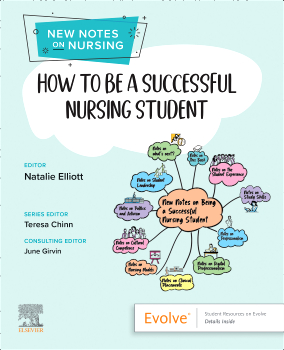
Content adapted from:
How to be a Successful Nursing Student
Chapter 4: Notes on how to write well by: Rebecca Boden, Fiona Cust, and Sophie Kempshall
Available in print and on ClinicalKey for Nursing
Leave a Reply